Planning a Vancouver Fit-Out in 2026
Leasing has turned toward quality, tariffs are pushing mechanical and electrical costs, and the trades are tight. Here's what tenants should budget — and how early to start — before renovating an interior this year.
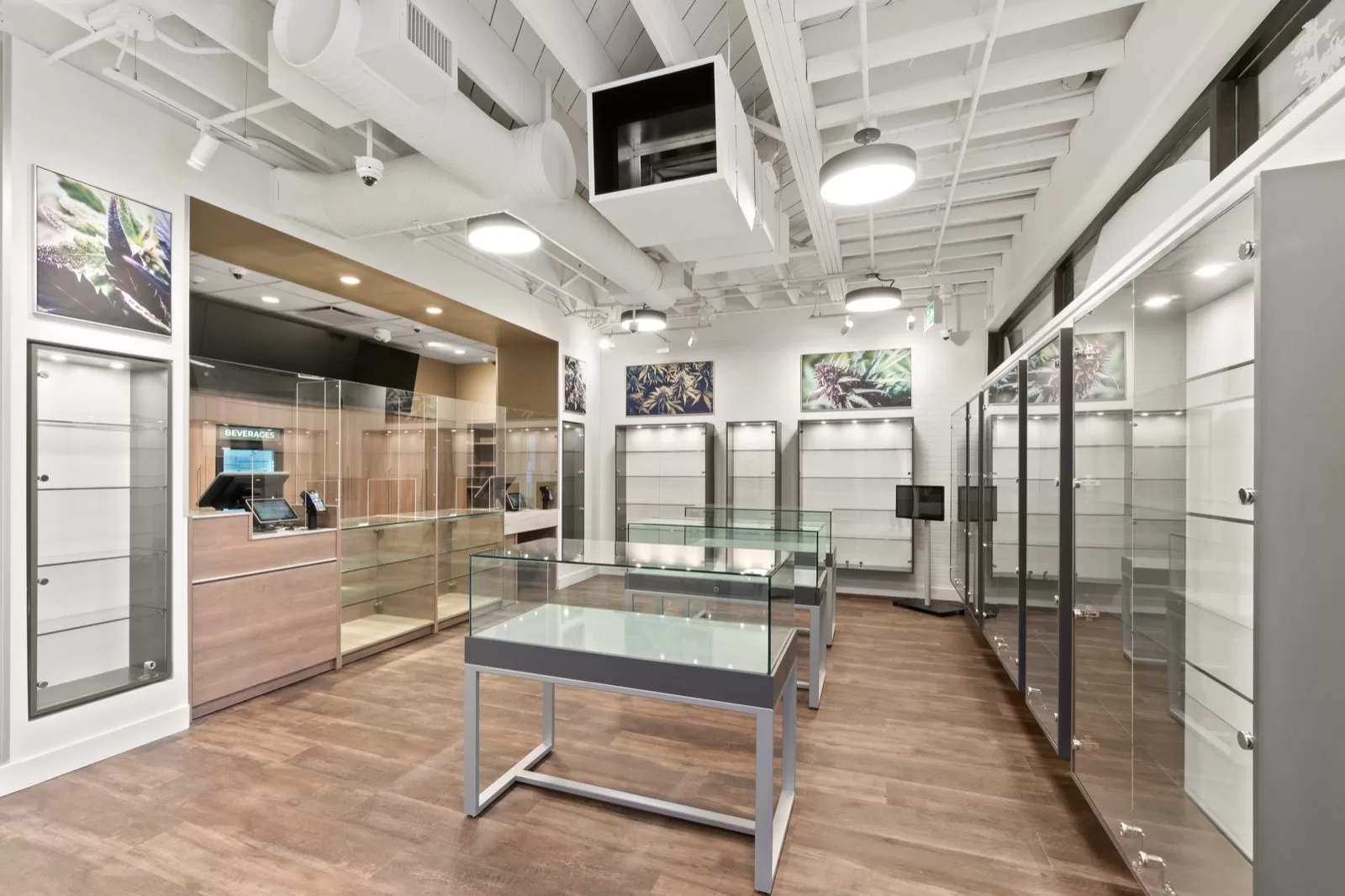
If you're planning an office, lab or retail interior in Vancouver this year, the market backdrop matters as much as the design. Three forces shape what you should budget and how early to start: leasing, costs and labour.
The market is rewarding quality.
Downtown office vacancy ended 2025 near its highest in two decades, but it has begun to ease into 2026, with two straight quarters of positive absorption.
The vacancy is concentrated in older, lower-tier buildings, while newer, amenity-rich space performs well. For tenants, that's the headline: much of today's fit-out activity is companies upgrading into better space and reinvesting in their interiors to bring people back. Retail fundamentals stay tight.
Costs: the headline number hides the real pressure.
Broad cost guides for 2026 show Vancouver's overall construction costs roughly flat-to-easing, reflecting a slower residential market and competitive trade pricing, and Vancouver remains the most expensive market in the country.
An interior is mostly mechanical and electrical
For a fit-out, the averages matter less than the categories. A tenant improvement is mechanical- and electrical-heavy, and those are exactly the line items under pressure. Tariffs on steel, aluminum and metal-bearing components have been the dominant material-cost story across Canada.
The practical takeaway: don't read "costs are stabilizing" as "budgets are easy." Carry real contingency on electrical and mechanical, and plan for longer lead times on those packages.
Labour is the structural constraint.
The skilled-trades gap is the most durable pressure in BC construction. With the workforce aging and retirements projected to outpace new entrants, the gap is set to widen for years.
For your project that means schedule risk. The way to manage it is early procurement and a builder who can lock trades in before the crunch — not a cheaper bid that can't staff the job.
What to actually do in 2026
Start earlier than feels necessary. Permitting plus long-lead mechanical and electrical procurement is the real timeline — not the on-site build.
Weight your contingency toward electrical and mechanical, and get a realistic, costed number early rather than a low one you'll revise.
Prioritize a complete, coordinated permit set, and pick quality space. Rework is the most expensive delay there is, and a better shell usually means a cleaner, faster fit-out.
Read "costs are stabilizing" carefully. A fit-out is mostly mechanical and electrical — and those are exactly the line items tariffs and the trades shortage are pushing up.
We budget and build Vancouver interiors through this market every week — the earlier we're in, the more certainty we can give you. See how we budget a project, or browse recent fit-outs.