Laboratory & Research Fit-Out · Metro Vancouver
Vancouver Laboratory & Research Fit-Out Contractor
Enduro builds and manages research and laboratory fit-outs across Metro Vancouver, British Columbia — fume hoods, casework, containment, medical gas, RO/DI water and controlled-environment chambers — as your general contractor or your construction manager. Specialized lab scope, one accountable team, commissioning to closeout.
- Licensed BC builder
- WorkSafeBC registered
- Bondable & insured
- CL2 containment experience
- University & research campuses
A laboratory fit-out is the construction that turns a shell or an existing space into a working, commissioned research environment — fume hoods, lab casework, containment, medical and lab gas, RO/DI water, controlled-environment chambers and the specialized HVAC behind them. Enduro delivers lab and research builds across Metro Vancouver, BC as a general contractor (we hold the prime contract and manage the trades) or as a construction manager (we run it owner-side, open-book). Most of our lab work has been on Metro Vancouver university and research campuses — one company accountable from the first estimate to a verified, certified space.
01What a lab & research fit-out includes
Scope varies with the research, the equipment and the containment level, but a Metro Vancouver laboratory fit-out usually pulls from the same set of specialized trades. Enduro coordinates all of them under one contract and one schedule:
- Fume hoods & local exhaust — chemical hoods, snorkels, canopies and biosafety cabinets
- Lab casework & benching — fixed and flexible, with chemical-resistant tops
- Containment construction — CL1 / CL2 sealed, cleanable finishes and directional airflow
- Specialized & lab HVAC — dedicated exhaust, make-up air, pressure and controls
- Controlled-environment chambers — growth rooms and Conviron-type enclosures
- Medical & lab gas — vacuum, compressed air, nitrogen, CO₂ and specialty gases
- RO / DI water — reverse-osmosis and deionized treatment and distribution
- Seismic anchoring & bracing — casework, shelving, cylinders and heavy equipment
- Emergency eyewash & safety showers — plumbed, tempered and code-placed
- Electrical & emergency power — dedicated circuits, UPS and standby for critical loads
- Biosecurity & access control — restricted entry, interlocks and monitoring
- Acoustic & vibration isolation — for sensitive instruments and clinical work
- Chemical-resistant finishes — epoxy flooring, coved base and sealed surfaces
- Fire protection & life-safety — sprinkler, alarm, gas detection and exit systems
- Permits & code coordination — with the City, consultants and the biosafety authority
- Commissioning, testing & certification — of hoods, containment, gas and chambers
- Closeout, warranty & O&M documentation for the facilities team
02Containment & specialty systems, in plain terms
What separates a lab build from a standard fit-out is the specialty systems — and the fact that they have to be proven before the space can be used. Here is how Enduro handles them:
Containment (CL1 / CL2)
Enduro builds and manages Containment Level 1 and Containment Level 2 space to the Public Health Agency of Canada's Canadian Biosafety Standard — sealed, cleanable finishes, directional airflow and pressure relationships, self-closing doors, dedicated exhaust, hand-wash and eyewash stations, and the biosecurity and access-control measures the standard requires. CL2 work is verified and commissioned before it is certified for use; higher-containment (CL3) carries additional design and certification requirements we scope case by case.
Fume hoods, chambers & specialized HVAC
Fume hoods, biosafety cabinets and controlled-environment chambers only work if the mechanical system behind them does — dedicated exhaust, make-up air, and pressure and temperature control tuned to the room. Enduro coordinates the specialized mechanical trades that build it, then tests face velocity, air-change rates and chamber performance as part of commissioning.
Gas, water & biosecurity
Medical and lab gas, RO/DI water, emergency eyewash and safety showers, seismic anchoring and access control are all part of a working lab. Gas systems are pressure-tested, purity-verified and certified; water quality is proven; and heavy equipment and cylinders are seismically restrained to the BC Building Code before handover.
03General contractor or construction manager — which fits
Enduro delivers lab projects two ways. The right one depends on how settled your design and equipment are, and how much of the process you want to hold yourself. Lab work, with its long-lead specialty equipment, often benefits from an early hand on cost and procurement.
We build it
General Contracting
Enduro holds the prime contract and manages the subcontracted trades as your single point of contact — carrying the build from a priced estimate through rough-in, specialty systems and finishes to a commissioned, certified space.
Best when the lab design and equipment are settled and you want one firm accountable for budget, schedule and performance.
We manage it
Construction Management
Enduro works owner-side — validating the budget, testing buildability, running an open-book trade tender and getting long-lead equipment ordered early, on your behalf. You keep control of the money and the decisions.
Best when design is still moving, equipment is long-lead, and you want an early, open-book hand on cost and buildability.
GC to build it, CM to steer it. Not sure which? Tell us where your project stands and we'll give you a straight recommendation — see our plain-language CM-or-GC guide.
04How a Vancouver lab build runs, step by step
A lab fit-out in Metro Vancouver lives and dies on its specialty systems, long-lead equipment and coordination — the walls and finishes are the straightforward part. Here is how Enduro runs one:
-
Feasibility & budget
We walk the space, test your research program against the base building and utilities, and give you an early, honest number — so you know what containment level, hood count and equipment load actually fit before design gets expensive.
-
Design & systems coordination
We work alongside your architect, lab planner and consultants, cross-checking drawings for buildability and code — BC Building Code, the Canadian Biosafety Standard, accessibility, and how the mechanical, gas and containment systems fit together.
-
Permits & approvals
Most lab work needs a City of Vancouver building permit, with trade permits usually rolled into it, plus biosafety and specialty-system approvals. Before demolition, we coordinate the WorkSafeBC-required hazardous-materials (asbestos) survey by a qualified person.
-
Procurement & long-lead
Fume hoods, controlled-environment chambers, switchgear and lab casework are long-lead — often the critical path. We lock trade and material commitments at agreed prices and place those orders early, so equipment never stalls your finish date.
-
Construction & specialty systems
Subcontracted trades are sequenced and managed under one contract, with a super on site running trades, deliveries and safety day to day. We file the WorkSafeBC Notice of Project where required, protect adjacent research, and check quality as each system is installed.
-
Commissioning, certification & closeout
We prove every specialized system — hood face velocity and containment, air-change rates and pressures, chamber control, gas certification and purity, RO/DI quality, eyewash and safety-shower flow — work the deficiency list to zero, and hand over as-builts, warranties and O&M manuals.
05What a lab fit-out costs in Vancouver BC
Lab cost is driven by containment level, fume-hood count, and how much mechanical, electrical and utility work the research demands — it sits well above a standard office build.
| Lab type | Typical scope |
|---|---|
| Dry / computational lab | Bench space, power and data, light mechanical — no wet services or hoods |
| Standard wet lab | Fume hoods, casework, lab gas, RO/DI water, specialized HVAC and finishes |
| Containment / specialized | CL2, vivarium, cleanroom or growth-chamber work — heavy MEP, containment, certification |
Where your project lands depends on the details — containment level, number and type of hoods, gas and water systems, controlled-environment chambers, emergency power and the base-building condition all move the real number in either direction.
Enduro prices off real drawings when they exist and builds an open-book budget with you when they don't — then confirms the number in writing after a site visit. For where 2026 fit-out costs are heading, read our Vancouver fit-out outlook.
06How long it takes
On a lab build, construction is rarely what drives the calendar — long-lead specialty equipment, design coordination and permitting usually do. Typical planning ranges for a Metro Vancouver lab fit-out:
| Phase | Typical duration | Notes |
|---|---|---|
| Feasibility & pricing | 1–3 weeks | Site walk, early budget, containment and equipment scoping |
| Design & coordination | 4–12 weeks | Lab planner, consultants and specialty-system coordination |
| Permit & biosafety approvals | 3–10+ weeks | City of Vancouver, plus biosafety and specialty-system review |
| Long-lead procurement | 6–20+ weeks | Hoods, chambers, switchgear and casework — often the critical path |
| Construction & systems | 10–24+ weeks | By containment level, MEP load and equipment |
| Commissioning & certification | 2–4+ weeks | Hood, containment, gas and chamber verification; handover documents |
The most common cause of a slipped lab schedule isn't the trades — it's long-lead equipment ordered too late, or an incomplete permit application going back for rework. We front-load procurement, the survey and the drawings to keep both from happening. See the Vancouver permit guide.
07Building inside a live research facility
Many Metro Vancouver lab projects happen inside a running facility — a floor of active labs, a campus building that can't shut down, an experiment that can't be interrupted. Enduro phases these builds so the research keeps going:
How we build around live research
- Protecting live experiments — growth chambers, instruments and specimens shielded from dust, vibration and shutdown
- Phased construction — the space handed back lab by lab, on a plan agreed up front with the facility
- Dust, negative-air & vibration control — hoarding, sealed work areas and filtration to protect people and research
- Scheduled shutdowns & tie-ins — mechanical, gas and electrical work timed with facilities to minimize disruption
- Exits and life-safety kept live — egress, alarm, sprinkler and gas-detection coverage maintained throughout
That's the real test of a lab contractor: the difference between a build that halts the science and one that keeps it running. We built inside a working UBC research lab around live controlled-environment chambers.
08Recent laboratory & research work
A few Metro Vancouver lab and research fit-outs Enduro has delivered across university and research-campus space:
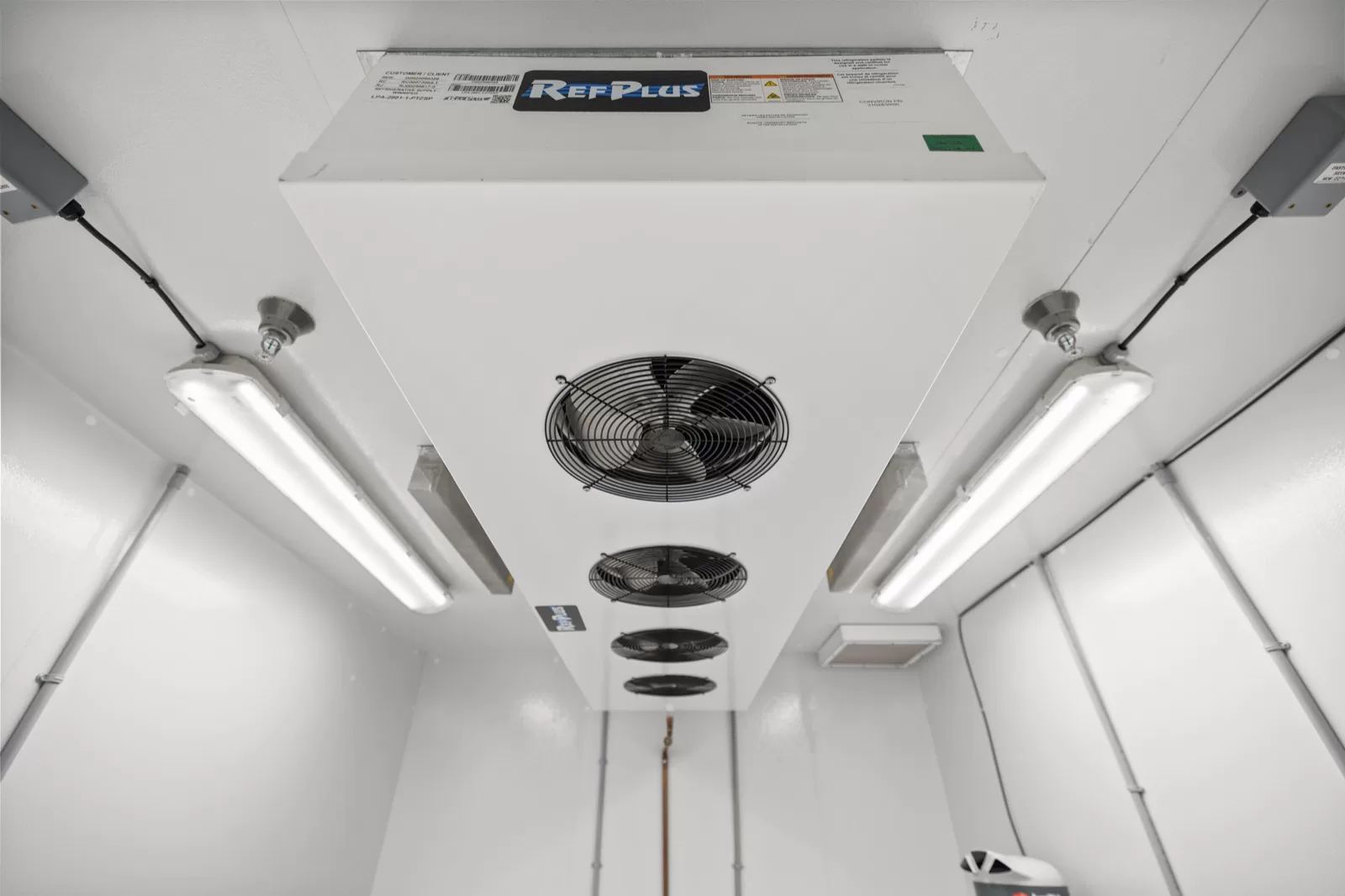 Controlled-environment lab
UBC FSIAP Lab
Vancouver, BC
Controlled-environment lab
UBC FSIAP Lab
Vancouver, BC
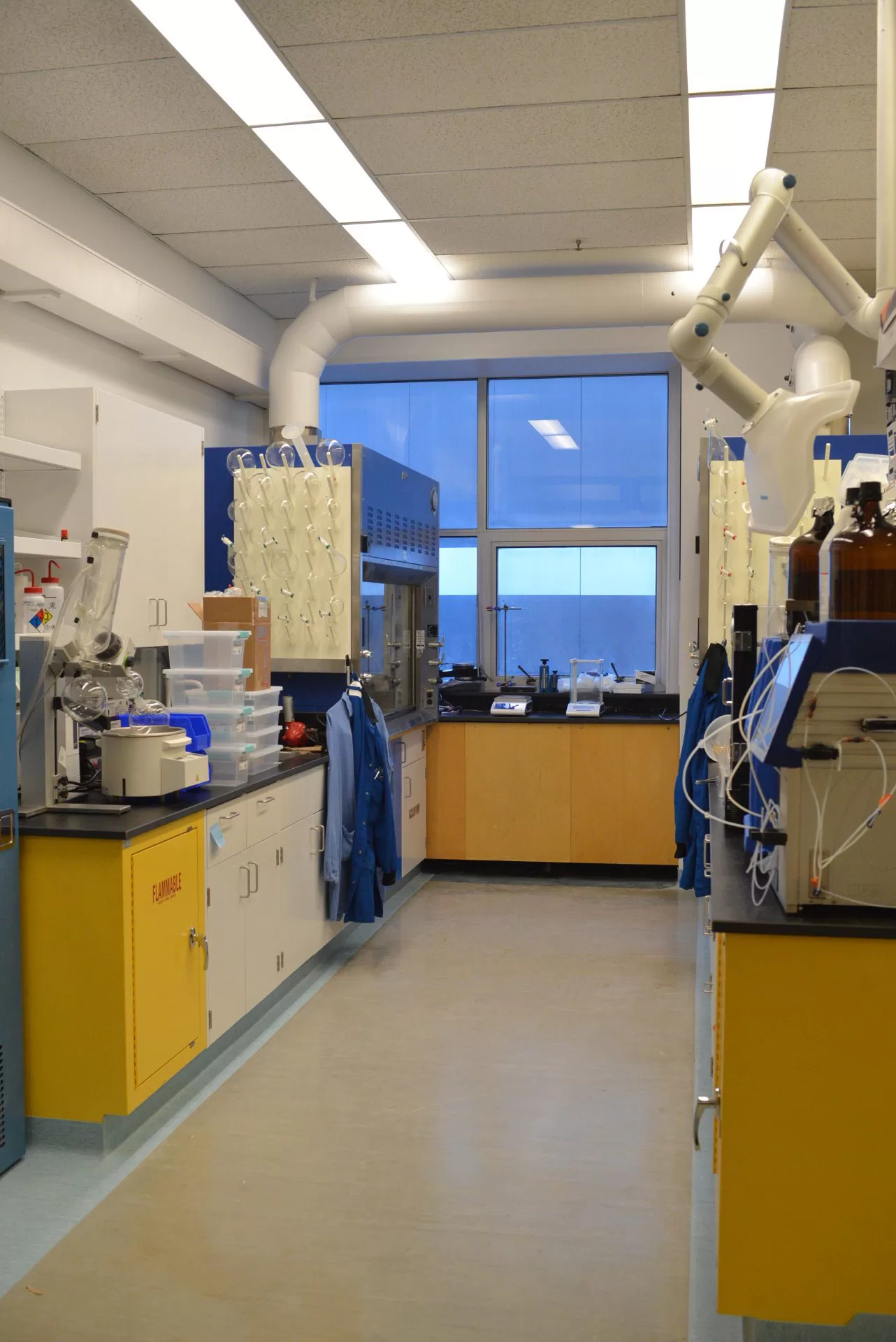 Chemistry lab
UBC Chemistry Lab
Vancouver, BC
Chemistry lab
UBC Chemistry Lab
Vancouver, BC
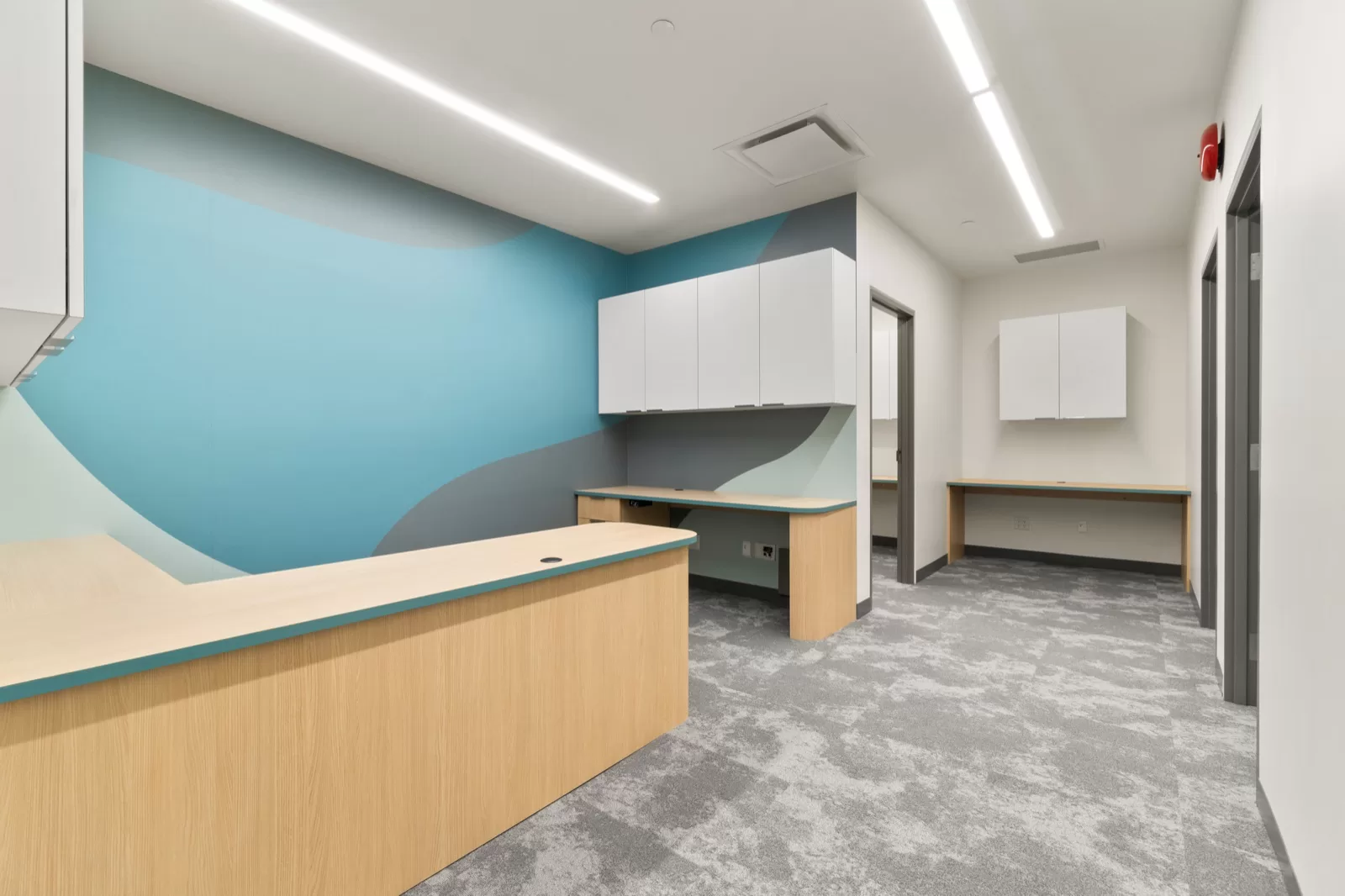 Clinical research lab
Dawson Lab
Vancouver, BC
Clinical research lab
Dawson Lab
Vancouver, BC
More labs: UBC Henning Lab · SPPH Research Lab · see all lab projects →
09Laboratory fit-out FAQ
How much does a lab fit-out cost in Vancouver BC?
A dry or computational lab carries relatively light services; a wet lab adds fume hoods, casework, gas and RO/DI water; containment, vivarium and cleanroom work adds specialized ventilation, controls and commissioning. The existing building, services and finish level determine the actual number, which Enduro confirms from drawings and a site visit. These are scope bands, not a quote — Enduro confirms your number in writing after a site visit.
What containment levels can you build to?
Enduro builds and manages Containment Level 1 (CL1) and Containment Level 2 (CL2) space to the Public Health Agency of Canada's Canadian Biosafety Standard — sealed finishes, directional airflow, dedicated exhaust, eyewash and the biosecurity measures it requires, verified and commissioned before certification. Higher-containment (CL3) carries additional requirements we scope case by case.
Can you build a lab while the surrounding facility keeps running?
Yes. We hoard and seal the work area, run dust, negative-air and vibration control, protect live chambers, instruments and specimens, schedule shutdowns and tie-ins with facilities, keep life-safety live, and phase the build so adjacent labs keep operating. We've built inside a working UBC research lab around live controlled-environment chambers.
What's involved in commissioning and validating a lab?
Before handover we prove every specialized system performs to design — fume-hood face velocity and containment, room air-change rates and pressures, temperature and humidity on chambers, medical and lab-gas certification and purity, RO/DI water quality, and eyewash and safety-shower flow — coordinating the commissioning agent, third-party testing and the certification containment and gas systems require.
Do you install and coordinate fume hoods and local exhaust?
Yes. We coordinate the supply and installation of fume hoods, ductless enclosures, snorkel and canopy exhaust, and biosafety cabinets, and manage the specialized mechanical trades that build the dedicated exhaust, make-up air and controls behind them. Performance is tested and documented as part of commissioning.
How do you handle seismic anchoring for lab equipment?
Metro Vancouver is a high-seismic region, so casework, shelving, gas cylinders, heavy equipment, controlled-environment chambers and overhead services are anchored and braced to the BC Building Code and the project's structural engineering, then documented for the permit and closeout.
Should I hire a GC or a construction manager for a lab build?
Hire a general contractor when the lab design and equipment are settled and you want one firm to hold the contract and hand you a commissioned, certified space. Hire a construction manager when you want to stay owner-side with an open-book budget and get long-lead equipment ordered early while design is still moving. GC to build it, CM to steer it — Enduro offers both.
Do you install medical gas, lab gas and RO/DI water?
Yes. We manage the specialized trades that install and certify medical and lab gas — vacuum, compressed air, nitrogen, CO₂ and specialty gases — along with reverse-osmosis and deionized water treatment and distribution. Gas systems are pressure-tested, purity-verified and certified before handover.
Are you licensed and insured to work in BC?
Yes — Enduro is a licensed BC builder, bondable and insured, and WorkSafeBC registered. On commercial and institutional work we file the WorkSafeBC Notice of Project where required and coordinate the specialized verification and certification containment and gas systems call for.
How long does a research lab fit-out take in Metro Vancouver?
Lab schedules are usually driven by long-lead specialty equipment — fume hoods, controlled-environment chambers, switchgear and casework — and by design coordination and permitting, not by the construction itself. Construction is often 10–24+ weeks depending on containment level, mechanical load and equipment, but ordering long-lead items early is what protects the finish date. Enduro front-loads those orders and confirms your schedule after scoping.
What areas do you serve?
Metro Vancouver, the Fraser Valley and Sea-to-Sky — including Vancouver, Burnaby, Richmond, Surrey, North and West Vancouver, the Tri-Cities, Pitt Meadows, Squamish and Chilliwack — with lab experience concentrated on university and research-campus work.
10Keep reading
By sector